
The plant that thrived beside your window in summer may need a different routine when days shorten. Before buying fertiliser or replacing a struggling specimen, look at what has changed around the pot.
Follow the light, not the room label
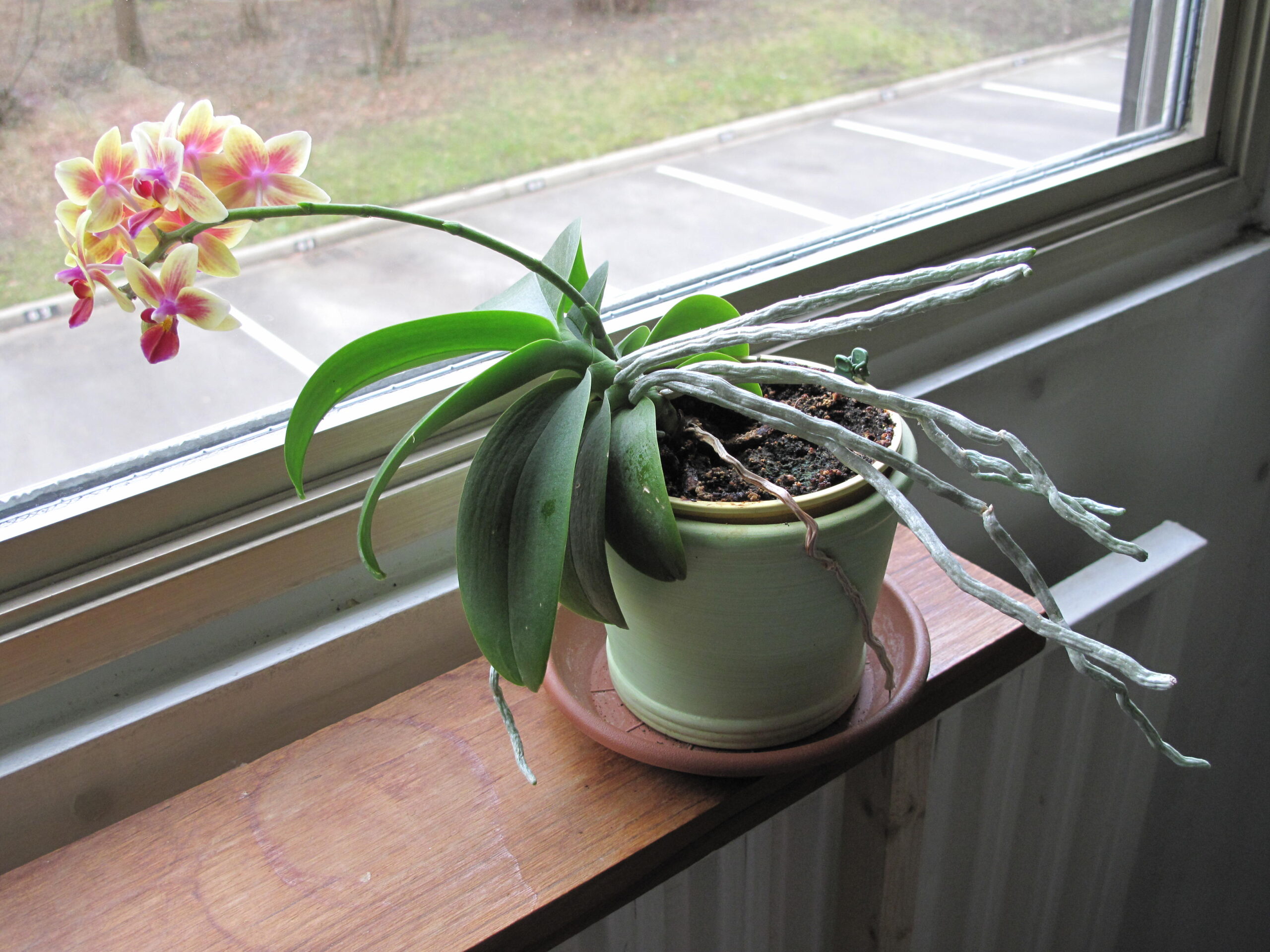
A “bright living room” can contain both a sunny sill and a dim corner. Look at your plant’s position during the day, then compare it with the light requirements of its species. The University of Minnesota Extension notes that plants stretching toward a light source may benefit from additional lighting; rotating the pot periodically can also distribute exposure more evenly.
Make watering an observation
Use a reminder to check your plants, rather than automatically water them. Iowa State University Extension explains that winter’s lower light often slows growth and changes watering needs. Check the growing medium and the plant’s specific requirements before reaching for the jug. A cactus and a moisture-loving fern should not inherit the same schedule.
Inspect drainage as well. A decorative outer pot can hide standing water. Minnesota Extension recommends containers with drainage holes so excess water can escape.
Keep a small record
Take one photograph and note the position, last watering and any new growth. Compare again after a week or two instead of changing several things at once. This simple record makes a conversation with a local plant specialist more useful.
If you explore nearby businesses through MOMO Top 10, take the plant’s name and your observations with you; a directory listing alone cannot diagnose its condition.
Sources: University of Minnesota: winter houseplant tips; Iowa State: winter garden tasks.
Photo: “Phototropism,” Tangopaso, Wikimedia Commons, CC BY-SA 3.0. Resized for display; no other edits.